
FF&E in Construction: What It Means and Why It Decides Your Move-In Date
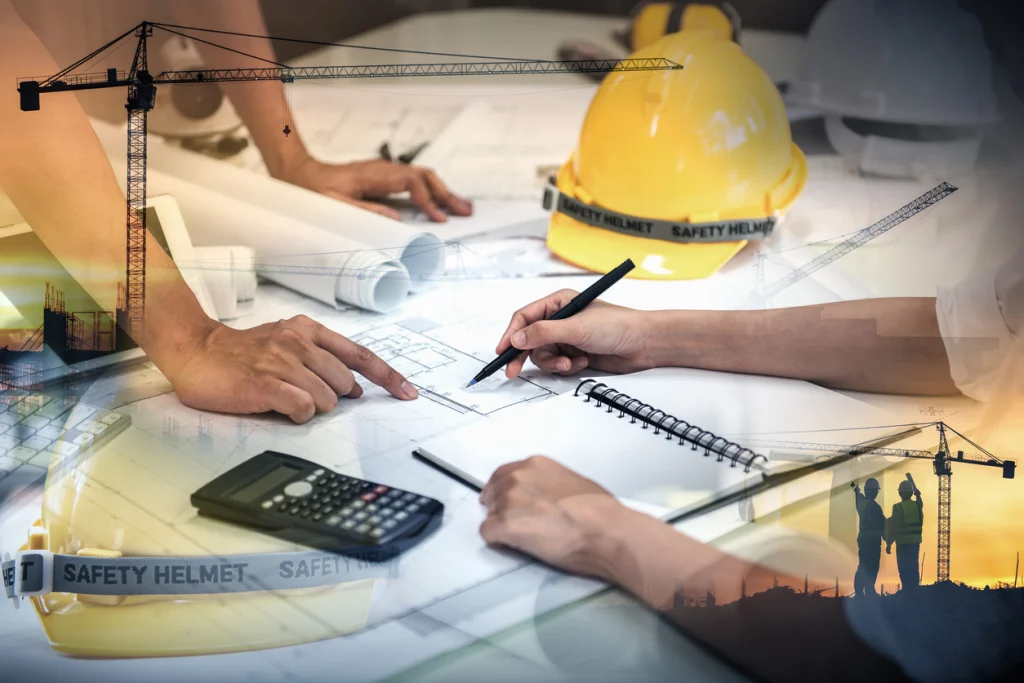
Your general contractor hands over the keys, the paint is dry, the floors are sealed, and the building is technically finished. So why can’t anyone actually work there yet? Because the desks, chairs, monitor arms, lockers, and breakroom equipment that make a space usable were never part of the construction contract in the first place. That gap has a name: FF&E. Misjudge it, and a brand-new building sits empty for weeks while leases, payroll, and customers wait.
What FF&E Actually Means
FF&E stands for Furniture, Fixtures, and Equipment. The defining test is simple: these are the items that are not permanently attached to the structure of the building. Unbolt them, unplug them, or carry them out the door, and the building itself is unchanged. Because they are removable, they are purchased and installed separately from the main construction work and usually do not appear on the general contractor’s blueprints.
Two practical rules help you classify an item as FF&E:
- It is movable. If you can relocate it without demolition or major rework, it likely qualifies.
- It has a useful life of at least one year. Single-use or consumable items do not count.
What Counts as FF&E
- Furniture: desks, workstations, conference tables, task chairs, lounge seating, freestanding shelving, and filing cabinets.
- Fixtures: movable partitions, cubicle systems, window treatments, signage, and freestanding lighting.
- Equipment: computers, monitors, printers, copiers, phone systems, TVs and displays, vending machines, kitchen appliances, and AV gear.
What Does Not Count
Anything bolted into the bones of the building falls outside FF&E. That includes built-in casework and millwork, hardwired light fixtures, HVAC components, plumbing, and structural finishes. Consumables and office supplies are also excluded, even though you will eventually need them. The line is permanence: if removing it leaves a hole in the wall or a capped pipe, it belongs to construction, not FF&E.
Where FF&E Fits in a Construction Project
A construction contract is built around the structure. It covers the slab, the steel, the drywall, the mechanical systems, and the finishes. FF&E lives in a separate lane with its own budget, its own vendors, and frequently its own project manager. That separation is intentional and useful, but it creates a coordination problem that surprises owners on nearly every build.
The trouble is that FF&E depends entirely on construction being finished correctly and on time. Workstations need power and data dropped in the right locations. Wall-mounted displays need blocking installed behind the drywall before it closes up. A height-adjustable bench needs a clear, clean floor and a working elevator to reach the third floor. When the two tracks are planned in isolation, you get furniture arriving before the space is ready, or a finished space waiting on furniture that is still on a truck somewhere.
Why FF&E Matters More Than People Expect
It Drives Your Real Move-In Date
Substantial completion of construction is not the same as ready to occupy. The true occupancy date is set by FF&E delivery, installation, and the punch list that follows. If you booked your relocation around the contractor’s completion date and forgot to add weeks for furniture installation, decommissioning the old space, and IT cutover, your schedule was wrong before it started.
It Is a Budget Category in Its Own Right
FF&E can run anywhere from a modest line item to a major share of a fit-out budget, especially in offices, healthcare, hospitality, and lab environments. Because it is tracked separately from construction, it is easy to under-scope early and then absorb painful change orders later. Plan it as its own budget with its own contingency, including delivery, installation labor, debris removal, and storage if products arrive before the space is ready.
It Affects Accounting and Depreciation
FF&E is typically capitalized and depreciated over its useful life rather than expensed all at once, which is exactly why the one-year-of-use test matters. Clean classification at the start of a project makes your finance team’s job far easier at the end of it, and keeps asset records accurate for insurance and audits.
It Applies to Every Project Type
This is not just an office concern. A hospital has imaging equipment and patient-room furnishings. A hotel has beds, casegoods, and minibars. A warehouse has racking, lift equipment, and workstations. A school has lab benches and classroom seating. If people are going to use the space, FF&E is part of the project.
How to Keep FF&E From Derailing Your Schedule
The owners who avoid the empty-building problem treat FF&E as a planned phase, not an afterthought. A few habits make the difference:
- Build the FF&E schedule backward from your occupancy date, then account for manufacturer lead times, which often run longer than the construction that precedes them.
- Coordinate power, data, and blocking early so the contractor sets up the space for the furniture you have actually specified.
- Stage and warehouse deliveries when products arrive before the site is ready, so nothing sits in a hallway or a parking lot getting damaged.
- Inspect, inventory, and track every shipment on arrival, because a missing bracket or a damaged panel discovered on install day stops the whole crew.
- Plan the install sequence floor by floor so trades are not tripping over each other and elevators are not double-booked.
The Case for a Dedicated FF&E Installation Partner
A general contractor builds the space. A furniture dealer sells the product. Neither is set up to manage the choreography in between: receiving dozens of deliveries, storing them securely, sequencing the install across multiple floors, assembling and placing thousands of pieces, and hauling away the packaging. That middle layer is where projects either land on schedule or stall.
Flood Brothers has handled that layer since 1997. We run in-house, background-checked employee crews rather than day labor, so the same trained team that receives your products installs them. We operate more than 500,000 square feet of secure warehousing for staging deliveries that beat the construction finish, and we coordinate around the clock to hit tight occupancy windows. The result is a space that is ready to work the day your team walks in, not three weeks later.
Planning a build-out, relocation, or refresh? Let us manage the FF&E phase so your move-in date holds. Learn more about our FF&E installation services or request a free project review. One call to (866) 528-9137 gets your install on the calendar.
Keep Reading

May 12, 2026
Common Mistakes Businesses Make During Office Furniture Installation
The most expensive office furniture installation problems start long before a single workstation is assembled. Here is what to watch for and how to…
Read more →
May 5, 2026
How to Prepare Fitness & Medical Equipment for a Commercial Move
A practical guide to protecting treadmills, imaging machines, and calibrated medical gear during a commercial relocation without costly downtime.
Read more →
January 20, 2026
FF&E Installation in 2026: The Most Common Delays and How to Avoid Them
FF&E installation delays rarely come out of nowhere. Here are the five most common causes in 2026 and the practical steps that keep your…
Read more →Trusted by industry leaders
Enterprises that count on Flood Brothers
Your team demonstrated a level of urgency and attention to facility protection that I had not seen before.
We highly recommend Flood Brothers without reservation. They were on time, professional, and customer service-oriented.
We are very fortunate to have Flood Brothers as one of our partners, as they are willing to do whatever it takes to provide quality service.
Let's Plan Your Move
Get a Plan Built Around Your Business
Every project starts with a free review. We scope it in person and send back a plan with clear pricing.