
FF&E Installation in 2026: The Most Common Delays and How to Avoid Them
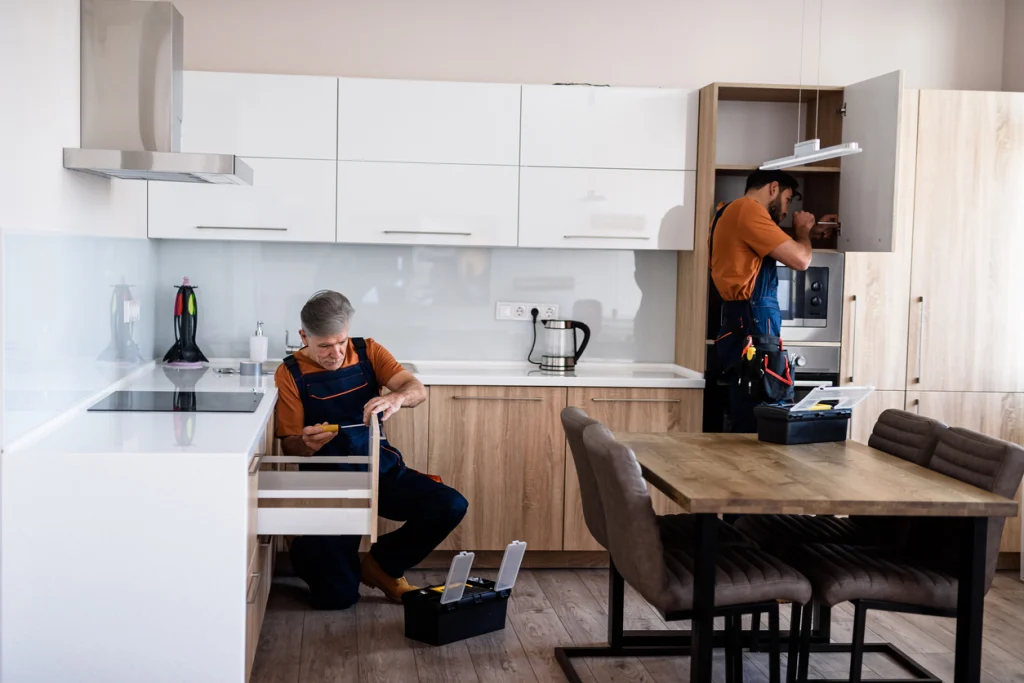
You can pour months into a buildout, sign off on every finish, and still watch the opening date slip because the furniture, fixtures, and equipment did not land when they were supposed to. FF&E installation sits at the very end of the schedule, which means every delay upstream piles onto it. By the time the desks, casework, and kitchen equipment are supposed to go in, there is no slack left. The frustrating part is that most FF&E installation delays are predictable, and predictable problems can be prevented.
Below are the five issues that derail commercial FF&E installs most often in 2026, and what you can actually do about each one before it costs you a week.
1. Specs That Are Not Locked Before Anyone Orders
The single most expensive delay is the one that starts at the spec sheet. When dimensions, finishes, electrical requirements, or quantities are still “close enough” at the time of ordering, you end up with the wrong product, the wrong size, or items that cannot be powered where they need to sit. Now you are reordering, and the lead time clock restarts from zero.
Lock the specifications before procurement, not during it. That means:
- Confirm every dimension against the as-built field measurements, not the original drawings.
- Verify power, data, and plumbing rough-ins line up with where each piece actually lands.
- Walk the 3D renderings or a sample layout with the people who will use the space, not just the design team.
- Get written sign-off on the final FF&E schedule so there is one version everyone is working from.
2. Lead Times Treated as a Promise Instead of a Range
Supply chains in 2026 are steadier than they were a few years ago, but “steadier” is not “reliable.” Custom millwork, specialty seating, commercial appliances, and anything with an imported component still carry lead times that swing by weeks. The mistake is plugging a vendor’s quoted ship date straight into a tight install schedule and treating it as fixed.
Build a buffer and protect it. Order long-lead items first, before the finish selections that feel more urgent. Ask vendors for their realistic range, not their best case, and add a cushion for freight, customs, and the occasional damaged-on-arrival replacement. When one item is going to be late, you want to know in week three, not the week of install, so you can sequence around it instead of stopping.
3. Deliveries That Show Up Out of Order or With Nowhere to Go
A jobsite is a terrible warehouse. When pallets arrive in random order, get stacked in whatever corner is open, and block the trades still finishing the space, your install crew spends its first day hunting and shuffling instead of placing. Worse, items sitting on an active construction site get damaged, lost, or buried.
This is where off-site staging changes the math. Receiving FF&E into a secure warehouse lets you inspect every shipment as it arrives, catch damage while there is still time to reorder, and consolidate everything before it touches the site.
- Inspect and inventory each delivery against the purchase order on arrival.
- Stage items by room or zone so they ship to site in install sequence.
- Hold everything in one place until the space is genuinely ready, instead of cluttering the floor.
- Deliver in waves that match the crew’s pace, so nothing sits exposed.
With 500,000-plus square feet of warehousing, this is exactly the kind of receiving and staging Flood Brothers handles before a single truck rolls to the jobsite.
4. Too Many Cooks, No One Holding the List
FF&E touches the designer, the GC, the vendors, the building owner, and the install crew. When each one assumes someone else is tracking the schedule, gaps open up fast. A vendor reschedules a delivery, no one tells the installers, and a crew shows up to a site that is not ready.
Name one person who owns FF&E from order to final placement. That coordinator keeps the master schedule, runs a short weekly check-in with every stakeholder, and is the single point of contact when something moves. It is not glamorous work, but it is the difference between a clean install and a finger-pointing meeting.
What Good Coordination Looks Like
- One shared, living FF&E schedule that everyone can see.
- A standing weekly touchpoint so changes surface early, not on install day.
- Clear ownership of who calls the vendor, who confirms site readiness, and who signs off.
5. Crews Who Can Assemble but Cannot Finish
Modern FF&E is not just bolting legs onto tables. Modular workstations, height-adjustable systems, integrated power and data, and commercial kitchen equipment all need people who have done it before. Hand that work to a general labor crew and you get slow assembly, wiring that fails inspection, and rework that eats the days you were trying to save.
Use installers who specialize in commercial FF&E and who carry the right certifications for the electrical and equipment hookups involved. Experienced crews also catch problems on the spot, like a fixture that arrived with the wrong bracket, and solve them without stopping the whole line.
Get Ahead of the Inspection, Too
Even a clean install stalls if it fails a code check. Loop in your inspector early, ask what they will be looking for, and schedule a pre-inspection walkthrough before the formal review. Catching a non-compliant mount or a missing clearance while the crew is still on site is a same-day fix. Catching it after they have demobilized is another trip and another week.
The Common Thread
Notice that none of these delays are about the furniture itself. They are about timing, sequencing, communication, and the people doing the work. FF&E installation goes smoothly when the planning happens upstream and one team owns the logistics from the warehouse dock to the final placement. That is the whole game: fewer surprises, tighter sequencing, and no jobsite scrambling at the end.
Flood Brothers has been managing commercial relocations and installations since 1997 with in-house crews, around-the-clock scheduling, and the warehouse space to receive and stage your entire FF&E package before it ever reaches the site. If you want your next install to land on schedule, see how our FF&E installation services handle the logistics, or request a free project review and we will map out a timeline that holds. Call us anytime at (866) 528-9137.
Keep Reading

May 12, 2026
Common Mistakes Businesses Make During Office Furniture Installation
The most expensive office furniture installation problems start long before a single workstation is assembled. Here is what to watch for and how to…
Read more →
May 5, 2026
How to Prepare Fitness & Medical Equipment for a Commercial Move
A practical guide to protecting treadmills, imaging machines, and calibrated medical gear during a commercial relocation without costly downtime.
Read more →
August 28, 2025
What Is FF&E? Why Furniture, Fixtures & Equipment Can Make or Break Your New Commercial Space
FF&E covers the furniture, fixtures, and equipment that turn an empty building into a working space. Get the timing wrong and your opening date…
Read more →Trusted by industry leaders
Enterprises that count on Flood Brothers
Your team demonstrated a level of urgency and attention to facility protection that I had not seen before.
We highly recommend Flood Brothers without reservation. They were on time, professional, and customer service-oriented.
We are very fortunate to have Flood Brothers as one of our partners, as they are willing to do whatever it takes to provide quality service.
Let's Plan Your Move
Let's Put a Real Plan on Paper
Walk us through what is moving and when. You get a written project plan back, usually within one business day.