
How to Make Your FF&E Sustainable Without Blowing the Budget
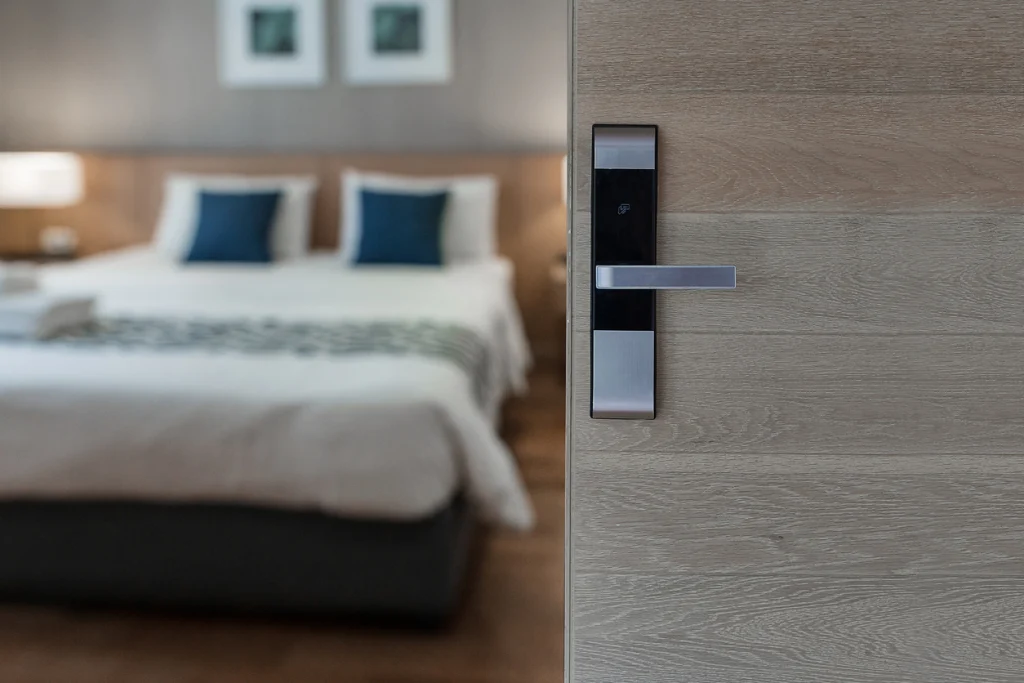
You are signing off on a furniture, fixtures, and equipment package, and two pressures are pulling in opposite directions. Finance wants the number down. Your brand team, your guests, and increasingly your investors want proof that the project is not generating a dumpster full of waste. Most people treat those as competing goals. They are not. Done right, a sustainable FF&E approach quietly lowers your total cost over the life of the space while giving your marketing and ESG teams something real to point to. The trick is knowing which decisions actually move the needle and which ones are just expensive green theater.
What FF&E Actually Covers
FF&E is everything in a space that is not nailed to the structure: the casegoods, seating, lighting, soft goods, artwork, window treatments, kitchen and laundry equipment, and the fixtures that make a room functional and finished. In hospitality it is the difference between bare walls and a room a guest wants to book. In a corporate or healthcare fit-out, it is the workstations, exam furniture, and equipment that let your people do their jobs.
Because FF&E is replaced far more often than the building itself, it is where most of your recurring environmental footprint and a surprising share of your recurring spend live. A hotel might keep its structure for fifty years and refresh its FF&E every seven to ten. That cycle is exactly where smart sustainability decisions compound.
Why Sustainable FF&E Is a Business Decision, Not a Trend
Guests and clients are reading your sustainability story whether you publish one or not. Corporate travel buyers now screen hotels on environmental criteria. Tenants ask about it before they sign. And the cost math has shifted: hauling old furniture to a landfill carries tipping fees, and cheap pieces that fail in two years cost you a second purchase, a second installation, and a second round of downtime.
So the case writes itself in three ways:
- Brand and bookings. A credible sustainability position attracts the guests, tenants, and partners who weight it in their decisions.
- Total cost of ownership. Durable, repairable pieces stretch the replacement cycle and flatten your capital planning.
- Risk and reporting. Documented diversion from landfill and certified materials feed directly into the ESG metrics your stakeholders already ask for.
Seven Practical Moves That Actually Work
1. Reuse and refurbish before you buy new
The most sustainable piece of furniture is the one you already own. Before you spec a single new item, walk the existing inventory. A casegood with a tired finish often needs reupholstery, a refinish, or new hardware, not the landfill. Reupholstering a sofa frame typically costs a fraction of replacement and keeps a large, hard-to-recycle item in service. For pieces you genuinely cannot reuse, donation to schools, shelters, or liquidators keeps them out of the waste stream and can generate a tax deduction.
2. Choose materials that last and disclose what is in them
Solid hardwood, bamboo, steel, and natural fibers age well and can be repaired. Steer away from medium-density fiberboard and particleboard, which swell, chip, and cannot be refinished, so they head straight to disposal at end of life. Watch the chemistry too: many composite woods, adhesives, and finishes off-gas volatile organic compounds that hurt indoor air quality. Specify low- or no-VOC finishes and adhesives, especially in guest rooms, offices, and any space with limited ventilation.
3. Buy from suppliers who can prove their claims
“Eco-friendly” on a spec sheet means nothing without a credential behind it. Ask vendors for recognized certifications such as FSC for responsibly sourced wood, GREENGUARD for low chemical emissions, or BIFMA LEVEL for furniture sustainability. A supplier who can hand you the documentation is one you can cite confidently in your own reporting. One who cannot is a liability.
4. Design for repair, not replacement
Modular seating you can swap a single cushion on, casegoods with replaceable tops, and fixtures with standard rather than proprietary parts all extend useful life. When one element wears out, you fix that element instead of scrapping the whole piece. This is the single most overlooked lever in FF&E sustainability, and it is decided at the specification stage, long before anything ships.
5. Cut the energy load built into the equipment
The “E” in FF&E carries real operating cost. ENERGY STAR appliances, LED lighting packages, and efficient laundry and kitchen equipment lower utility bills every month for the life of the install. Over a typical refresh cycle, the energy savings frequently outweigh any premium you paid up front.
6. Attack the packaging and the install waste
A full FF&E rollout generates mountains of cardboard, foam, plastic film, and pallets. Ask your installation partner to consolidate deliveries, take back and recycle packaging, and divert install debris from the landfill. A crew that sorts and recycles on site, rather than throwing everything in one bin, can divert a large share of project waste with no change to your design at all.
7. Plan the logistics so nothing gets damaged or wasted
Sustainability falls apart when a shipment arrives early to a job site that is not ready, gets stored badly, and shows up scratched. Damaged FF&E gets discarded and reordered, doubling the footprint and the cost. Secure, climate-appropriate warehousing and just-in-time delivery protect both your budget and the resources already invested in those pieces.
Where Most Projects Go Wrong
The failure point is rarely the design intent. It is execution. Teams pick beautiful certified materials, then let a low-bid installer rush the rollout, damage a third of the order, and toss every box in a single landfill bin. Sustainability is decided as much on the loading dock and the job site as it is in the design meeting. That is why the warehousing, handling, and installation side of the project deserves the same scrutiny as the spec sheet.
How Flood Brothers Fits In
Since 1997, Flood Brothers has handled commercial FF&E moves and installations with in-house employee crews, not subcontracted day labor, so the people protecting your inventory answer to us and to you. Our 500,000-plus square feet of secure warehousing lets you receive, inspect, and stage FF&E so nothing arrives damaged or sits exposed. We coordinate just-in-time delivery, handle packaging take-back, and work around your operating schedule with 24/7 availability, so a guest-facing or revenue-generating space goes dark for as little time as possible.
Ready to run a sustainable FF&E project that holds up to both your budget and your brand promise? Learn more about our FF&E installation services or request a free project review today. You can also reach our team directly at (866) 528-9137.
Keep Reading

May 12, 2026
Common Mistakes Businesses Make During Office Furniture Installation
The most expensive office furniture installation problems start long before a single workstation is assembled. Here is what to watch for and how to…
Read more →
May 5, 2026
How to Prepare Fitness & Medical Equipment for a Commercial Move
A practical guide to protecting treadmills, imaging machines, and calibrated medical gear during a commercial relocation without costly downtime.
Read more →
January 20, 2026
FF&E Installation in 2026: The Most Common Delays and How to Avoid Them
FF&E installation delays rarely come out of nowhere. Here are the five most common causes in 2026 and the practical steps that keep your…
Read more →Trusted by industry leaders
Enterprises that count on Flood Brothers
Your team demonstrated a level of urgency and attention to facility protection that I had not seen before.
We highly recommend Flood Brothers without reservation. They were on time, professional, and customer service-oriented.
We are very fortunate to have Flood Brothers as one of our partners, as they are willing to do whatever it takes to provide quality service.
Let's Plan Your Move
One Call Starts the Plan
Share your dates and your space. We come back with a written plan, usually within one business day.