
6 Tips for Decluttering Before Your Commercial Move
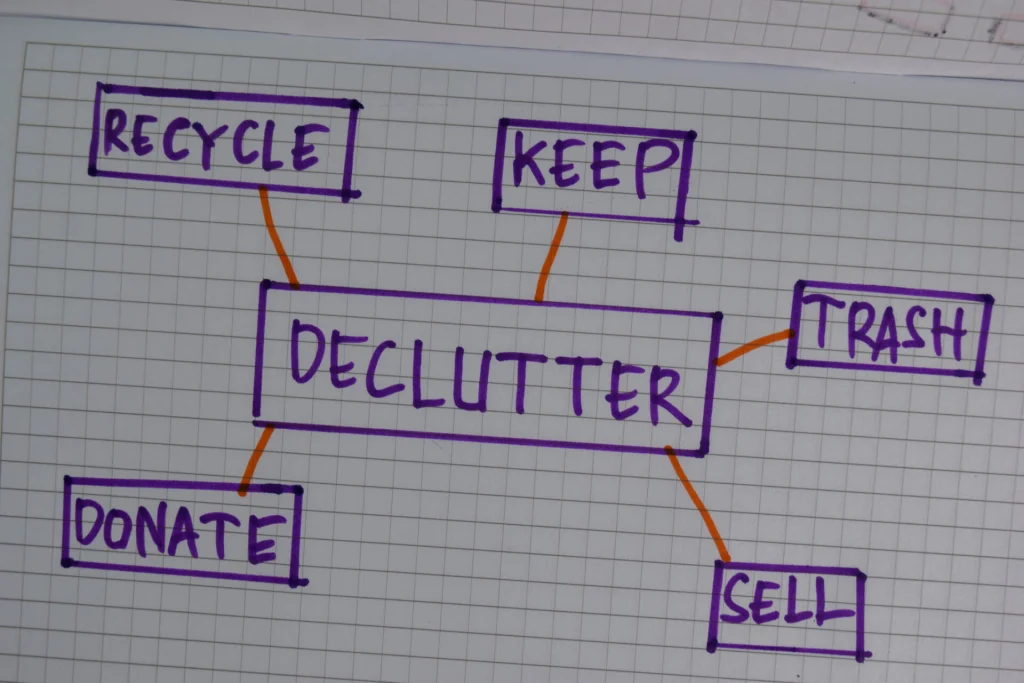
Every box your crew loads onto the truck costs you money, time, and warehouse space. So why pay to move a decade of dead files, a storage closet full of broken chairs, and three printers nobody has touched since 2019? When a business relocates, the temptation is to pack everything and sort it out later. That “later” almost never comes, and you end up paying premium relocation rates to haul junk from one address to the next. A focused decluttering effort before move day shrinks your inventory, lowers your bill, and gives your team a cleaner start in the new space. Here are six tips to get it done without grinding your operation to a halt.
1. Start Months Out, Not Days Out
The single biggest mistake companies make is treating decluttering as a moving-week task. By then you are already buried in logistics, and the easy decision is to throw everything in a box. Begin the moment your new lease is signed. Give yourself eight to twelve weeks, depending on the size of your footprint, and you can make deliberate keep-or-toss calls instead of panicked ones.
An early start also protects you from costly mistakes in both directions: rushing leads people to trash records they are legally required to retain, or to keep equipment that should have been retired. Build a simple timeline that ties decluttering milestones to your move date and assign a deadline to each department.
2. Sort With a Clear Four-Bucket System
Vague instructions like “go through your stuff” produce vague results. Give everyone the same framework so decisions are fast and consistent. Every item should land in one of four categories:
- Keep and move, actively used furniture, equipment, and records that belong in the new space.
- Sell or donate, functional desks, monitors, and fixtures you no longer need. Local nonprofits and schools often take office furniture, and resale recovers part of your budget.
- Recycle, paper, cardboard, and e-waste. Old electronics should never go in a dumpster; route them to a certified recycler.
- Shred or destroy, confidential documents past their retention window and any hard drives leaving your control.
Color-coded labels or tape make the system visible across the office and keep the four piles from blending back together.
3. Work One Zone at a Time
Trying to declutter an entire building at once is how projects stall. Break the space into zones, such as the front office, supply room, server closet, and each department, then tackle them in sequence. Finishing a single area gives the team a visible win and keeps momentum going.
Cordon off a staging area
Set aside one room, a few pallets, or a rented storage unit as the holding zone for everything leaving the building. Without a designated spot, “to-go” items drift back into walkways and workspaces, and you lose the progress you made. A defined staging area also makes pickup simple when the recycler, donation truck, or shredding service arrives.
4. Get Your Whole Team Involved
Nobody knows a workspace like the people who use it every day. Your accounting team knows which file boxes still matter and which are long expired; your warehouse crew knows which equipment is worth keeping. Pulling them into the process spreads the workload and produces far better decisions than a single manager guessing in the dark.
Assign clear ownership by area, hand out the supplies people need (bins, labels, gloves, a shred cart), and set a hard deadline for each zone. A short kickoff meeting that explains the why behind the move turns a chore into a shared goal and cuts down on “is this trash or not” interruptions.
5. Audit Your Equipment and Furniture Honestly
Moving is the perfect moment to stop hauling things you keep “just in case.” Walk the floor and ask a blunt question about every large item: has this earned its spot on the truck? If a cabinet is broken, a chair is worn out, or a machine has been replaced, moving it just relocates the problem and inflates your invoice.
Take measurements of your new space before you decide. Furniture that fit the old layout may crowd the new one, and knowing your floor plan early lets you offload oversized pieces now rather than storing them indefinitely. The less weight and volume your movers handle, the lower your cost and the faster your install.
6. Digitize Paper Before You Pack It
Filing cabinets are heavy, bulky, and expensive to move, and most of what they hold could live on a server instead. Scanning documents before the move shrinks the physical load and gives you records that are searchable, backed up, and easy to share from the new office.
Start with the archives you rarely touch but cannot discard, like old contracts, tax records, and HR files. Store the digital copies in an organized, secure system with proper access controls, then shred the originals you are no longer required to keep on paper. Going into the new building with a leaner paper footprint means fewer boxes today and less square footage spent on storage tomorrow.
Less to Move, Less to Pay
Decluttering before a commercial move is not busywork. It is one of the most direct ways to control your relocation budget and start fresh in a space that works for how your business runs now, not how it ran ten years ago. Sort early, purge honestly, and you will move only what earns its place.
When you are ready to relocate, the in-house crews at Flood Brothers have handled commercial moves since 1997, backed by more than 500,000 square feet of warehousing and 24/7 availability. Learn how our commercial moving services keep your relocation on schedule, or request a free project review to get started. Questions? Call us anytime at (866) 528-9137.
Keep Reading

September 22, 2026
Certificates of Insurance for Commercial Moves: What Building Managers Require
The document that stops more move days than weather: what a COI is, what buildings require, and how to get it right the first…
Read more →
September 15, 2026
The Office Relocation Project Plan: Roles, Milestones, and Ownership
Checklists tell you what to do. A project plan tells you who does it and when it must be done. Here is the structure…
Read more →
July 30, 2026
Laboratory Moving Services: Protecting Critical Research Assets During Relocation
Moving a laboratory is one of the most complex relocation projects an organization can undertake. Unlike a traditional office move, laboratories contain sensitive instruments,…
Read more →Trusted by industry leaders
Enterprises that count on Flood Brothers
Your team demonstrated a level of urgency and attention to facility protection that I had not seen before.
We highly recommend Flood Brothers without reservation. They were on time, professional, and customer service-oriented.
We are very fortunate to have Flood Brothers as one of our partners, as they are willing to do whatever it takes to provide quality service.
Let's Plan Your Move
Get a Plan Built Around Your Business
Every project starts with a free review. We scope it in person and send back a plan with clear pricing.