
How to Choose the Best Office Furniture for Your Company
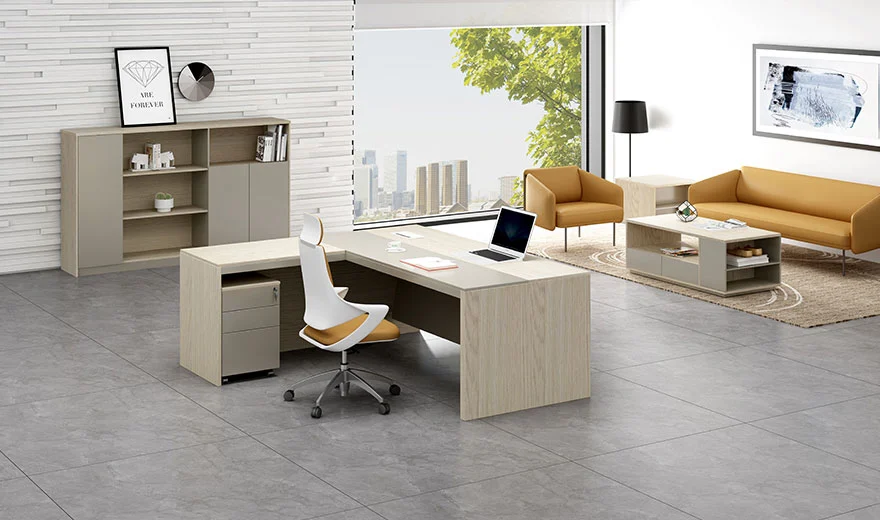
Walk into any office where the furniture was bought in a hurry, and you can feel it. Chairs that wreck people’s backs by 3 p.m., desks crammed too close together, a reception area that says nothing about who you are. Furniture is one of the largest physical investments you’ll make in a workspace, and you’ll live with the decision for the better part of a decade. Get it wrong and you pay twice: once at purchase, and again in replacements, complaints, and lost productivity. This guide walks you through how to choose office furniture for your company the way the decision actually deserves.
Start With How People Actually Work
Before you look at a single catalog, map how your team spends the day. A call center, a design studio, and a law firm all need different things, and the furniture should follow the work, not the other way around. Ask the practical questions first.
- How many hours a day do people sit at a desk versus move around or collaborate?
- Which roles need quiet focus, and which need to talk and share screens constantly?
- How often do teams reconfigure, and how many people might you add in the next two years?
- Do staff hot-desk, work hybrid schedules, or sit in the same seat every day?
Your answers tell you whether you need fixed workstations or modular benching, a handful of huddle spaces or a wall of private offices, and how much shared storage to plan for. Buying based on how the office looks in a photo is how you end up with a beautiful room nobody can work in.
Make Ergonomics Non-Negotiable
If your people spend most of the day seated, the chair is the most important purchase in the building. A cheap task chair feels fine in the showroom and turns into a daily complaint within a month. Spend where it counts.
What to Look for in a Chair
- Adjustable seat height, armrests, and lumbar support, so the chair fits the person rather than the other way around
- A seat pan with enough depth and a waterfall edge to keep pressure off the back of the knees
- Breathable material and a recline mechanism that supports movement through the day
Desks That Support the Body
Sit-stand desks are no longer a luxury. Letting people alternate between sitting and standing cuts down on back and neck strain and keeps energy up in the afternoon. If a full fleet of electric desks is out of budget, prioritize them for staff who sit for long stretches and add converters elsewhere. Pair every desk with a monitor arm so screens sit at eye level instead of forcing people to hunch.
Plan the Layout and the Space, Not Just the Pieces
Furniture that looks right online can be wrong for your floor plan. Measure your space, note where the power and data drops are, and account for clearances before you order anything.
- Leave room for walkways and chair pull-out so the floor doesn’t feel like an obstacle course
- Position desks to take advantage of natural light without putting glare on screens
- Keep noisy zones, like phones and printers, away from focus areas
- Build in enough storage early; clutter on desks is almost always a storage problem in disguise
Different areas carry different jobs. Your reception sets the first impression for every client and candidate who walks in, so it should look the part and stay comfortable for people who wait. Workstations should be sized to the actual tasks, not a generic standard. Meeting rooms need tables and seating that match how those rooms get used, whether that’s quick stand-ups or long client sessions.
Buy for Durability, Not Just the Sticker Price
The lowest bid rarely wins over time. Commercial-grade furniture costs more up front because it’s built to take daily abuse for years. Consumer-grade pieces from a big-box store look similar on day one and start failing on month six.
- Check warranties; serious commercial lines back chairs and desks for five to twelve years
- Look at the materials and joinery, steel frames, quality laminates, and edge banding that won’t peel
- Confirm replacement parts are available, so one broken caster doesn’t mean a whole new chair
Spending a little more on pieces that survive a decade is almost always cheaper than replacing bargain furniture every two to three years.
Match the Furniture to Your Brand and Culture
Your space is a statement about your company, whether you mean it to be or not. Finishes, colors, and the overall feel should line up with how you want clients and recruits to see you. A polished, traditional firm and a fast-moving creative agency should not have the same office, and the furniture is a big part of why. You don’t need to chase trends; you need a consistent look that reflects your identity and won’t feel dated in three years.
Don’t Forget Flexibility and Installation
Companies grow, teams reshuffle, and offices get reconfigured more often than anyone expects. Modular furniture that you can add to or rearrange protects your investment. Standardizing on a few desk and storage systems also makes future expansion far simpler than mixing a dozen mismatched pieces.
One piece people underestimate: installation. A floor’s worth of desks, panels, and cabinets is heavy, the assembly is detailed, and getting it wrong wastes days. Professional movers and installers handle delivery, build-out, and placement so your team walks into a finished space instead of a pile of boxes and an Allen wrench.
Set a Realistic Budget
Decide what you can spend, then split it by priority. Put the most money into the pieces that affect health and daily use, chairs and desks, and economize on lower-traffic items. Build in a small contingency for the extras that always come up: cable management, a few more chairs than you planned, accessories. A clear budget keeps you from overspending on a flashy boardroom while your staff sits in chairs that hurt.
Choosing the right office furniture is a real project, and the delivery and setup are a project of their own. Flood Brothers has handled commercial relocations and logistics since 1997, with in-house crews and more than 500,000 square feet of warehousing to stage and store your order until you’re ready. When it’s time to put it all in place, our office furniture installation team delivers, assembles, and positions every piece so your space is ready to work in on day one. request a free project review or call (866) 528-9137 to get started.
Keep Reading

May 12, 2026
Common Mistakes Businesses Make During Office Furniture Installation
The most expensive office furniture installation problems start long before a single workstation is assembled. Here is what to watch for and how to…
Read more →
May 5, 2026
How to Prepare Fitness & Medical Equipment for a Commercial Move
A practical guide to protecting treadmills, imaging machines, and calibrated medical gear during a commercial relocation without costly downtime.
Read more →
January 20, 2026
FF&E Installation in 2026: The Most Common Delays and How to Avoid Them
FF&E installation delays rarely come out of nowhere. Here are the five most common causes in 2026 and the practical steps that keep your…
Read more →Trusted by industry leaders
Enterprises that count on Flood Brothers
Your team demonstrated a level of urgency and attention to facility protection that I had not seen before.
We highly recommend Flood Brothers without reservation. They were on time, professional, and customer service-oriented.
We are very fortunate to have Flood Brothers as one of our partners, as they are willing to do whatever it takes to provide quality service.
Let's Plan Your Move
Your Move Deserves More Than a Guess
Book a free project review. We walk the site, scope the work, and return a plan you can hold us to.