
How to Prepare Fitness & Medical Equipment for a Commercial Move
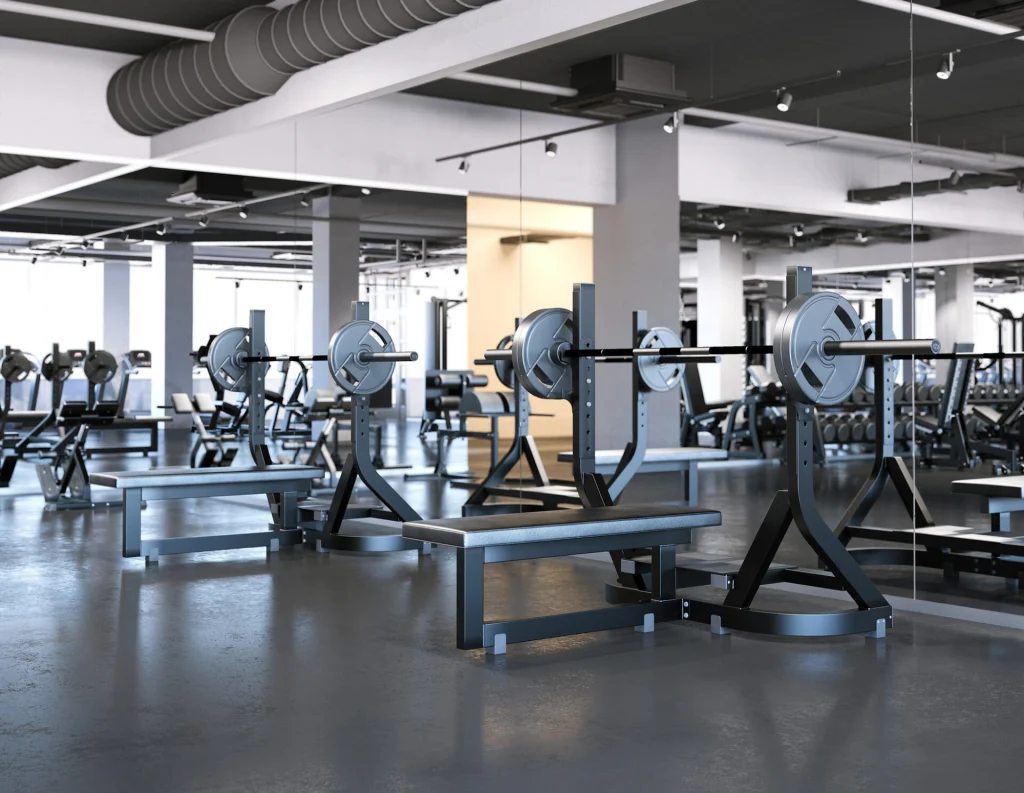
A treadmill console cracked in transit is annoying. A miscalibrated MRI or an X-ray unit knocked out of alignment is a different problem entirely: failed inspections, voided warranties, and a clinic that can’t open on Monday. Fitness and medical equipment carries more weight, more electronics, and more liability than the average office desk, and moving it like ordinary furniture is how facilities lose six figures in a single afternoon. Here’s how to plan a relocation that keeps your machines working and your doors open on schedule.
Start With a Real Inventory, Not a Spreadsheet Guess
Before anyone touches a single machine, document what you actually own. Walk the floor with a clipboard or a phone camera and record the make, model, serial number, and current condition of every piece. This isn’t busywork. A complete inventory tells you which items need crating, which need a technician on site, and which are old enough that replacing them costs less than moving them.
While you’re at it, flag anything under warranty or service contract. Many manufacturers require certified handlers or a documented chain of custody, and ignoring that fine print can void coverage the moment a crew picks the unit up.
- Photograph each machine from several angles before disassembly
- Note calibration dates on diagnostic and imaging equipment
- Record cable routing and console settings you’ll need to restore
- Mark items requiring climate control or anti-static protection
Sort Equipment by Handling Difficulty
Not everything ships the same way. Group your inventory into tiers so the move plan matches the risk. A rack of dumbbells and a benchtop centrifuge belong in completely different categories, and treating them identically wastes money on one end and invites damage on the other.
Disassemble and Protect the Vulnerable Parts
Large machines almost always travel better in pieces. Treadmill decks, cable cross-over towers, dental chairs, and imaging gantries are designed to come apart, and a partial breakdown protects the joints and electronics that take the worst of every bump. Pull consoles, displays, and removable arms, then pack them separately with their own padding.
Labeling is where most teams cut corners and pay for it later. Bag the hardware for each unit, tape it to the frame, and tag every cable and panel so reassembly doesn’t turn into a guessing game. The photos you took during inventory become your reassembly manual.
- Drain and disconnect any hydraulic, pneumatic, or fluid-cooled systems per the manufacturer’s instructions
- Lock out moving counterweights and adjustable arms before lifting
- Crate sensitive electronics rather than blanket-wrapping them
- Keep manuals, keys, and remote controls in one labeled box that travels with you, not on the truck
Move Heavy and Sensitive Loads the Right Way
Weight is the obvious challenge with a power rack or a 600-pound imaging unit, but the bigger threat is vibration and shock. Calibrated medical devices can drift out of spec from a single hard jolt, which is why proper rigging, air-ride transport, and slow handling matter more than raw muscle.
This is the stage where doing it in-house tends to fall apart. Stairs, tight corridors, freight elevators with weight limits, and loading docks at odd heights all create pinch points. Professional crews bring stair-climbing dollies, lift gates, and rigging hardware rated for the load, plus the insurance to back it up if something goes wrong.
Plan the Path Before the Box Truck Arrives
Measure doorways, elevators, and turns at both buildings ahead of time. A machine that fits through the door at the old location is no guarantee at the new one. Knowing your tightest clearance in advance tells you whether a unit ships whole or needs further breakdown, and it prevents the dreaded moment when a crated MRI won’t make the final corner.
Design the New Floor Plan for Fast Reinstallation
Where each machine lands shouldn’t be decided on moving day. Map the new space first, accounting for power requirements, water and drain lines, network drops, ventilation, and the clearances that safety codes and ADA accessibility demand. Cardio equipment needs outlets and airflow; imaging rooms need shielding and dedicated circuits; rehab areas need open floor for patient movement.
A finished layout lets the crew place equipment in its permanent home on the first pass instead of shuffling 400-pound machines twice. That single decision often saves a full day of labor.
- Confirm electrical capacity and outlet types match each machine’s draw
- Position equipment to keep walkways and emergency exits clear
- Group related stations so staff and patients move logically through the space
- Leave service access around any unit a technician will need to reach
Test, Calibrate, and Verify Before You Reopen
Reassembled is not the same as ready. Every machine needs a power-up check, a mechanical inspection, and a function test before it goes back into service. For medical and diagnostic equipment, that usually means a manufacturer-certified technician confirming calibration and signing off, since patient safety and regulatory compliance ride on it.
Build this verification window into your timeline rather than scrambling on opening morning. Catching a loose connection or a calibration drift the day before you reopen is a quick fix. Catching it during a patient appointment is a crisis.
- Run each cardio and strength machine through a full cycle to check for noise or resistance issues
- Re-test electrical safety and grounding on every powered unit
- Schedule certified recalibration for imaging, diagnostic, and dental equipment
- Document the verified condition of each item to close out your inventory and warranty records
Why a Specialized Mover Pays for Itself
Fitness studios, clinics, and hospitals don’t lose money on the moving fee. They lose it on the days they can’t operate, the warranties they void, and the equipment they have to repair or replace because a general crew treated a $200,000 machine like a filing cabinet. A mover that understands calibrated and high-value equipment coordinates the disassembly, transport, storage, and reinstallation as one timeline, so you reopen on the date you promised your members or patients.
Flood Brothers has handled commercial relocations since 1997 with in-house crews, 24/7 scheduling, and more than 500,000 square feet of climate-controlled warehousing for staging sensitive gear. If you’re planning a move, see how our fitness equipment installation team handles the heavy lifting and precise setup, then request a free project review or call (866) 528-9137 to map out your timeline.
Keep Reading

May 12, 2026
Common Mistakes Businesses Make During Office Furniture Installation
The most expensive office furniture installation problems start long before a single workstation is assembled. Here is what to watch for and how to…
Read more →
January 20, 2026
FF&E Installation in 2026: The Most Common Delays and How to Avoid Them
FF&E installation delays rarely come out of nowhere. Here are the five most common causes in 2026 and the practical steps that keep your…
Read more →
August 28, 2025
What Is FF&E? Why Furniture, Fixtures & Equipment Can Make or Break Your New Commercial Space
FF&E covers the furniture, fixtures, and equipment that turn an empty building into a working space. Get the timing wrong and your opening date…
Read more →Trusted by industry leaders
Enterprises that count on Flood Brothers
Your team demonstrated a level of urgency and attention to facility protection that I had not seen before.
We highly recommend Flood Brothers without reservation. They were on time, professional, and customer service-oriented.
We are very fortunate to have Flood Brothers as one of our partners, as they are willing to do whatever it takes to provide quality service.
Let's Plan Your Move
Ready to Move Without the Downtime?
Tell us about your project and timeline. We will build a plan around your business and send clear pricing, usually within one business day.