
Top Challenges in Commercial Gym Installation (and How to Solve Them)
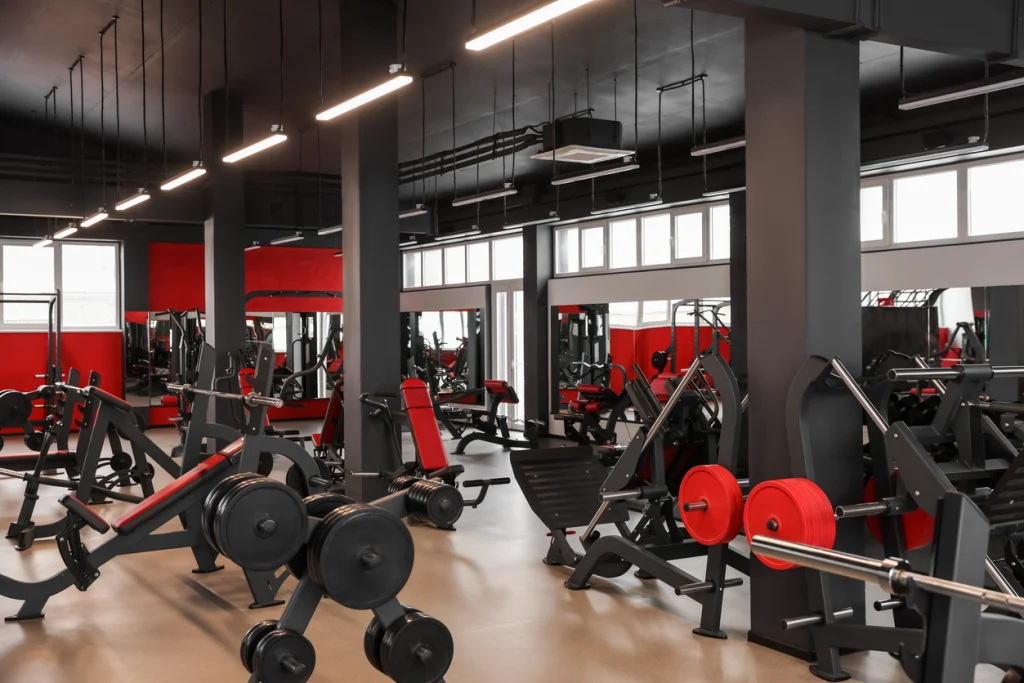
You signed the lease, the equipment is on order, and your open date is circled on the calendar. Then the freight arrives early, the strength rack weighs more than the freight elevator’s rating, and half your cardio line is sitting on a loading dock because nobody measured the door. Commercial gym installation rarely goes wrong because of one big failure. It goes wrong because a dozen small details were never planned, and they all surface at the same time. Here are the four challenges that delay openings most often, and how to get ahead of each one.
1. Moving Heavy, Awkward, Expensive Equipment
A loaded selectorized machine can run 600 to 1,000 pounds. A full rack of dumbbells is dense, ungainly weight that does not move on a standard hand truck. Treadmills and ellipticals are top-heavy and packed with electronics that crack if they tip. This is the stage where most damage happens, and damaged equipment is a double cost: you pay for the repair and you push your open date while you wait for replacement parts.
The fix is treating transport as its own project, not an afterthought to the purchase order. Before anything ships, confirm the practical details that freight companies routinely ignore:
- Access path. Measure every doorway, hallway turn, and elevator your equipment has to pass through, then compare against the crated dimensions, not the assembled ones.
- Weight ratings. Check the freight elevator and any ramps against your heaviest single piece. A rack that exceeds the elevator rating needs a stair-carry plan or a hoist, and you want to know that before delivery day, not during it.
- Protection and padding. Equipment should be blanket-wrapped and strapped for the move through the building, not just for the truck. Most damage happens in the last 200 feet.
A trained crew with the right dollies, straps, and lift gear handles this without drama. The cost of doing it properly is far smaller than the cost of one cracked console or a member injured by a poorly secured load.
2. Designing a Layout That Actually Works
Square footage on a floor plan and usable training space are two different things. A layout that looks balanced on paper can feel cramped the moment a member needs a six-foot clearance behind a cable machine or a safe drop zone around a platform. Get this wrong and you either crowd the floor or waste rent on space that does nothing.
Plan the layout around how people actually move and train:
- Build clearance zones first. Reserve the safety space around platforms, racks, and machines with swinging or extending parts before you place a single unit. Then fit equipment into what is left.
- Group by training type. Keep free weights, selectorized strength, cardio, and functional turf in distinct zones so traffic flows instead of crossing through someone’s set.
- Respect the building’s bones. Heavy equipment, dropped weights, and turf areas have to line up with floor load capacity, outlet locations, and ceiling height. A second-floor free-weight zone over an undersized slab is a structural problem, not a design preference.
- Plan for power and data. Cardio consoles, screens, and charging stations need outlets where the machines land. Discovering an outlet gap after installation means extension cords or an electrician callback.
Walk the empty space and tape out the major zones at full scale if you can. Seeing the clearances in person catches problems a 2D plan hides.
3. Assembling Machines Correctly the First Time
Commercial fitness equipment is not consumer gear with a hex key and a one-page sheet. Cable routing, weight-stack alignment, bolt torque, and safety stops all have to be set to spec, because members will load these machines hard, every day, for years. A misrouted cable or an under-torqued bolt is a failure waiting to happen, and in a commercial setting that is a liability issue, not just a maintenance one.
Protect yourself with a few non-negotiables:
- Use installers who know the brands you bought. Manufacturer assembly specs vary, and experience with a specific line means fewer mistakes and faster setup.
- Test every machine under load before opening. Run the full range of motion, check that stacks travel smoothly, and confirm there is no binding, grinding, or play.
- Keep the documentation. Hold onto assembly instructions and warranty paperwork. Improper installation can void a manufacturer’s warranty, and you want a record that the work was done to spec.
- Anchor what needs anchoring. Racks, half-racks, and tall units that can tip should be secured to the floor or wall per the manufacturer’s requirements.
4. Hitting a Hard Open Date
Gym openings run on real deadlines: pre-sold memberships, a launch event, a lease that started billing months ago. Every day of delay is lost revenue and a credibility hit with members who were promised a date. The trouble is that installation is the last link in a long chain, so it absorbs every upstream delay that came before it.
Build schedule protection into the plan from the start:
- Sequence the work. Flooring and turf go down before equipment lands. Electrical and outlets get finished before cardio is placed. Map the order so trades are not tripping over each other.
- Confirm delivery windows in writing. Coordinate freight arrival with your install crew so equipment is not sitting unattended on a dock or blocking the floor for days.
- Stage in the right order. Have the crew place the heaviest, hardest-to-position pieces first, while the floor is open, then fill in around them.
- Build in a buffer. Plan to be installation-complete a few days before your public open so you have time to test, adjust, and fix surprises without panic.
Why Coordination Beats Improvisation
Every one of these challenges connects to the others. A layout mistake creates an assembly problem. A transport delay blows the schedule. A machine bolted down in the wrong spot has to come back up. The studios that open on time are the ones that handle transport, layout, assembly, and scheduling as a single coordinated job rather than four separate scrambles. That is the difference between a launch that builds momentum and one that opens late with a punch list still hanging.
At Flood Brothers, our in-house crews have handled commercial relocation and equipment installation since 1997, with 500,000-plus square feet of secure warehousing to stage and protect equipment until your space is ready. We move the heavy, delicate pieces, place them to your layout, and assemble them to spec so your doors open on schedule.
Planning a new build or a facility refresh? See how our fitness equipment installation service keeps your project on time and damage-free, then request a free project review or call (866) 528-9137 to talk through your floor plan.
Keep Reading

May 12, 2026
Common Mistakes Businesses Make During Office Furniture Installation
The most expensive office furniture installation problems start long before a single workstation is assembled. Here is what to watch for and how to…
Read more →
May 5, 2026
How to Prepare Fitness & Medical Equipment for a Commercial Move
A practical guide to protecting treadmills, imaging machines, and calibrated medical gear during a commercial relocation without costly downtime.
Read more →
January 20, 2026
FF&E Installation in 2026: The Most Common Delays and How to Avoid Them
FF&E installation delays rarely come out of nowhere. Here are the five most common causes in 2026 and the practical steps that keep your…
Read more →Trusted by industry leaders
Enterprises that count on Flood Brothers
Your team demonstrated a level of urgency and attention to facility protection that I had not seen before.
We highly recommend Flood Brothers without reservation. They were on time, professional, and customer service-oriented.
We are very fortunate to have Flood Brothers as one of our partners, as they are willing to do whatever it takes to provide quality service.
Let's Plan Your Move
One Call Starts the Plan
Share your dates and your space. We come back with a written plan, usually within one business day.