
Why More Production Companies Are Turning to Specialty Entertainment Transport Services
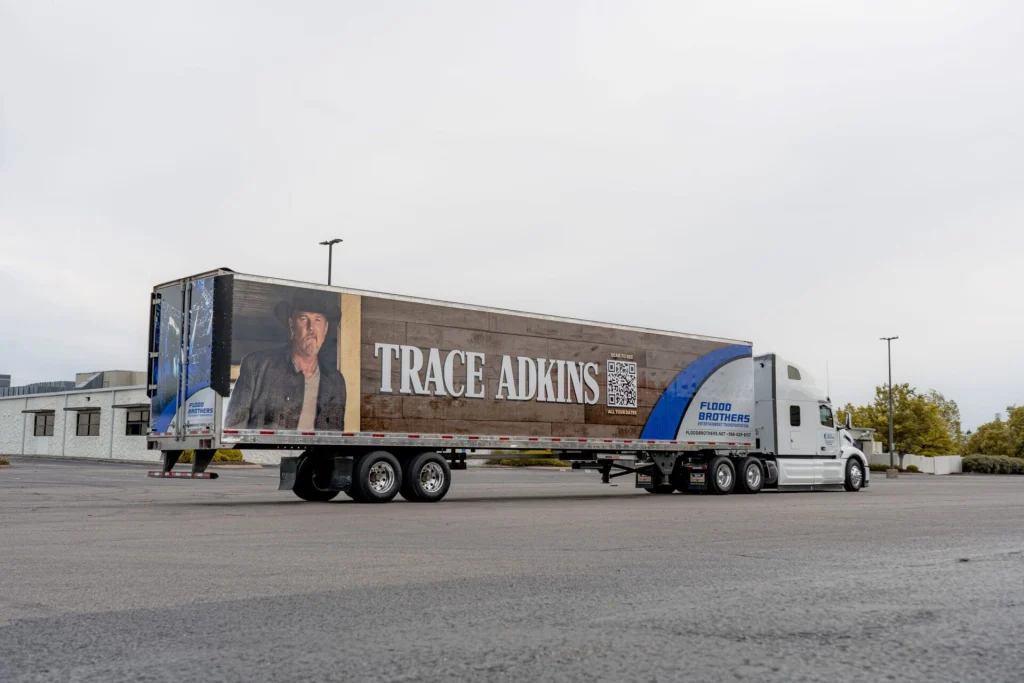
A single late truck can blow up a shoot day. When a 5 a.m. load-in slips by three hours, you are paying a crew, a director, and a location for time nobody can use. That is the real problem with treating entertainment freight like ordinary cargo: standard carriers optimize for cost-per-mile, not for the call times, security, and handling that a production actually runs on. More production companies are moving away from general freight and toward specialty entertainment transport because the math finally stopped working.
What Makes Entertainment Cargo Different
Most freight is interchangeable. A pallet of paper towels can arrive Tuesday or Wednesday and nobody on set cares. Production cargo is the opposite. The gear is expensive, often irreplaceable on short notice, and tied to a fixed schedule that does not bend for traffic or a missed appointment window.
Consider what actually rides in those trucks:
- Camera and lighting packages worth six figures, with rental clocks that keep ticking whether the gear is working or sitting in a yard
- Set pieces and scenic builds that are custom, fragile, and impossible to re-fabricate before the next shoot day
- Instruments, audio rigs, and backline that need climate stability and careful strapping, not a forklift and a prayer
- Wardrobe and props that have to stay clean, organized, and accounted for down to the item
A driver who has never worked a load-in does not know that the dolly track gets unloaded first, that the generator parks where the gaffer points, or that a scuffed scenic flat means a reshoot. Specialty transport closes that gap by sending people who already understand how a production breathes.
The Hidden Costs of Using a General Carrier
The sticker price on a general freight estimate almost always looks lower. The total cost rarely is. Here is where the gap shows up once the cameras roll.
Schedule Slippage
General carriers work in delivery windows measured in hours or full days. Productions work in call times measured to the minute. When a carrier treats a 6 a.m. load-in as a “morning delivery,” you absorb the difference in overtime, idle crew, and a compressed shooting day that pushes everything downstream.
Damage and Replacement
Gear that gets cross-docked, re-stacked, and handled by a rotating cast of warehouse staff takes abuse. A cracked lens or a dented road case is not just a repair bill. It is a hole in your shoot plan that you fill with a rush rental at a premium, assuming the rental house even has it.
Chain-of-Custody Gaps
When your truck disappears into a national hub network, you lose visibility. Nobody can tell you exactly where the wardrobe trailer is at 4 a.m., and “it’s somewhere in the system” is not an answer you can give a producer. Specialty carriers keep a tight, traceable chain of custody from pickup to wrap.
What Specialty Entertainment Transport Actually Delivers
The point of a dedicated entertainment transport partner is not a fancier truck. It is removing logistics as a variable so the creative team can spend its energy on the work. That shows up in a few concrete ways.
- Call-time precision. Loads are scheduled against your production calendar, not a regional delivery route. The truck is there when the AD needs it, not when it is convenient for a dispatcher two states away.
- Crews who speak the language. Drivers and handlers who have run load-ins know how to stage, sequence, and protect gear without being micromanaged.
- Secure staging and storage. Between shoot days, sets and equipment need a controlled place to live. Flood Brothers backs its transport with more than 500,000 square feet of warehousing, so your build does not sit in a parking lot overnight.
- In-house crews and 24/7 coverage. Productions do not run nine-to-five, and neither does the support around them. Around-the-clock availability means a 2 a.m. wrap and a dawn relocation are routine, not a crisis.
How to Vet a Transport Partner Before You Book
Not every company that says “entertainment transport” can back it up. Before you hand over a six-figure camera package, ask pointed questions:
- Do you schedule to call times, and will you commit to a specific load-in window in writing?
- Who handles my gear, and have they worked production load-ins before?
- Can you store and stage between shoot days, and where?
- What does your chain of custody and tracking look like from pickup to return?
- Are you reachable at 3 a.m. when something changes, because something always changes?
If the answers are vague, you have your answer. The companies built for this work give you specifics, because specifics are the whole job.
The Bottom Line
Production budgets are tight and schedules are tighter. Saving a few hundred dollars on freight is a false economy when a single missed call time or a damaged set costs you a shoot day. Specialty entertainment transport is not a luxury line item. It is the insurance policy that keeps the expensive parts of your production, the talent and the time, from going to waste.
Flood Brothers has handled commercial relocation and logistics since 1997, with in-house crews, around-the-clock availability, and warehousing built to stage and protect high-value cargo. If you are tired of hoping the truck shows up on time, see how our entertainment transportation services are built around your production schedule, and request a free project review to map out your next load-in. Or call us anytime at (866) 528-9137.
Keep Reading

September 22, 2026
Certificates of Insurance for Commercial Moves: What Building Managers Require
The document that stops more move days than weather: what a COI is, what buildings require, and how to get it right the first…
Read more →
September 15, 2026
The Office Relocation Project Plan: Roles, Milestones, and Ownership
Checklists tell you what to do. A project plan tells you who does it and when it must be done. Here is the structure…
Read more →
July 30, 2026
Laboratory Moving Services: Protecting Critical Research Assets During Relocation
Moving a laboratory is one of the most complex relocation projects an organization can undertake. Unlike a traditional office move, laboratories contain sensitive instruments,…
Read more →Trusted by industry leaders
Enterprises that count on Flood Brothers
Your team demonstrated a level of urgency and attention to facility protection that I had not seen before.
We highly recommend Flood Brothers without reservation. They were on time, professional, and customer service-oriented.
We are very fortunate to have Flood Brothers as one of our partners, as they are willing to do whatever it takes to provide quality service.
Let's Plan Your Move
Get a Plan Built Around Your Business
Every project starts with a free review. We scope it in person and send back a plan with clear pricing.