
Why Medical and Tech Equipment Needs Specialized Relocation
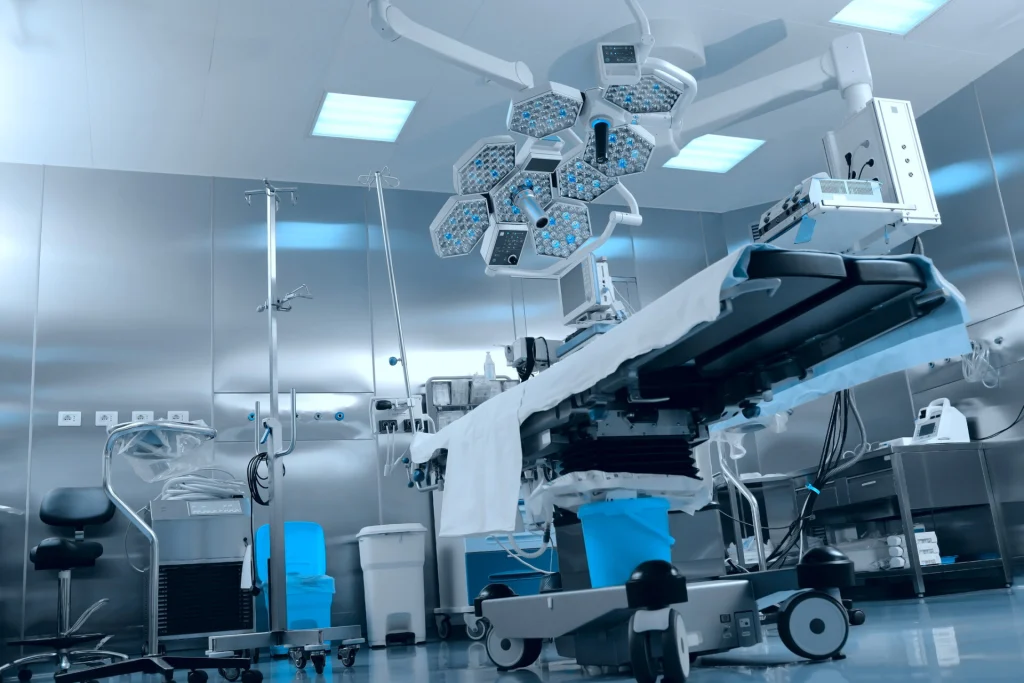
A single MRI machine can cost more than a million dollars, and a rack of production servers might hold data your business legally cannot afford to lose. So why do so many organizations hand that equipment to a general moving crew that spends most of its week relocating sofas and filing cabinets? The gap between “movers” and “specialized equipment relocation” is where damaged hardware, voided warranties, and weeks of unplanned downtime tend to happen. If you are responsible for moving sensitive medical or technology assets, the planning matters far more than the truck.
What Makes This Equipment Different
Standard freight assumes a few things: the item is sturdy, it tolerates vibration, and a scratch or two is acceptable. None of that holds for diagnostic imaging systems, laboratory instruments, or enterprise IT hardware. These assets are calibrated to fractions of a millimeter, sensitive to temperature and humidity, and often tied to compliance requirements that follow the data inside them.
Consider a few of the categories that demand specialized handling:
- Diagnostic imaging: MRI, CT, and ultrasound systems contain finely tuned magnets, coils, and sensors. Rough handling can knock them out of calibration, which means a service technician visit before the unit can be used on a single patient.
- Laboratory instruments: Centrifuges, analyzers, and microscopes hold precise optical and mechanical alignments. Vibration during transit is often enough to throw off results until they are recalibrated.
- Servers and storage: Spinning drives, backplanes, and densely populated racks are vulnerable to shock and static. They also carry data that may be governed by HIPAA, PCI, or internal retention rules.
- Networking and telecom gear: Switches, PBX systems, and the cabling that ties them together determine whether your phones and applications come back online on schedule.
The common thread: the cost of getting it wrong is rarely just the replacement price. It is the downtime, the missed appointments, the compliance exposure, and the scramble to recover.
The Three Things That Actually Protect Sensitive Equipment
Specialized relocation comes down to three disciplines that general moving simply is not built around. Get these right and the move becomes uneventful, which is exactly what you want.
1. Protective Packing and Climate Control
Off-the-shelf blankets and straps do not cut it for a half-million-dollar imaging unit. Custom-built and reinforced crating, shock-absorbing foam, anti-static wrapping for electronics, and air-ride suspension on the truck all work together to keep vibration and impact away from the components that matter. For equipment that reacts to heat, cold, or condensation, climate-controlled transport keeps conditions inside a safe window from the loading dock to the final room.
2. Chain of Custody and Data Security
When you move servers, you are moving data, and that changes the rules. Specialized relocation tracks each asset with documented chain of custody, restricts access to vetted, in-house crew members, and coordinates with your IT team on power-down and power-up sequences. For regulated environments, that paper trail is not bureaucracy. It is the evidence you need if anyone ever asks how protected information was handled during the move.
3. De-installation, Reconnection, and Testing
Lifting a machine onto a truck is the easy part. The value is in the bookends: properly powering down and disconnecting equipment beforehand, then reinstalling, reconnecting, and verifying it works on the other end. A crew that understands rack layouts, cable management, and manufacturer reconnection requirements gets you operational faster and reduces the odds of a hidden problem surfacing days later.
The Real Cost of Treating It Like an Ordinary Move
It is tempting to view specialized handling as an upcharge. The better way to frame it is risk. A generalist crew that drops a centrifuge or jolts an MRI does not just create a repair bill. It triggers a chain of consequences:
- Recalibration and service delays that keep equipment offline for days or weeks.
- Voided warranties when manufacturer-required handling procedures are skipped.
- Lost revenue from canceled procedures, idle staff, or interrupted production.
- Compliance exposure if patient data or sensitive records are mishandled in transit.
- Data loss from a single drive that took an impact it was never rated for.
Measured against those outcomes, planning the move correctly the first time is almost always the cheaper path.
How to Plan a Specialized Move
A smooth relocation starts well before moving day. If you are scoping a project, build your plan around these steps:
- Inventory and assess. Document every asset, its dimensions and weight, its sensitivity, and any manufacturer handling requirements.
- Coordinate the stakeholders. Loop in IT, facilities, clinical or lab leads, and the equipment vendors early so power-down windows and reconnection are scheduled, not improvised.
- Sequence around uptime. Decide what moves first, what stays live longest, and where temporary capacity is needed to avoid a hard outage.
- Plan for staging. Some moves require equipment to be held briefly in a secure, climate-appropriate environment. Knowing your storage options in advance prevents last-minute compromises.
- Confirm the destination is ready. Power, network drops, flooring, and environmental controls should be verified before anything arrives.
Why an Experienced Partner Changes the Equation
Flood Brothers has handled commercial relocation and logistics since 1997, and that history matters when the cargo is irreplaceable. Our crews are in-house employees, not day labor or rotating subcontractors, which keeps accountability and training consistent on every job. We back complex moves with more than 500,000 square feet of secure warehousing for staging and short- or long-term storage, and we operate 24/7 so we can work around your patient schedule, production line, or after-hours IT window instead of forcing you to work around ours.
That combination of trained internal teams, secure space, and around-the-clock scheduling is what turns a high-stakes equipment move into a planned, documented, and frankly boring event. Boring is the goal.
Move It Right the First Time
Your medical and technology equipment represents years of investment and the daily operation of your business. It deserves a relocation plan built around its real requirements, not a generic truck and a hope that nothing breaks. If you are planning a move involving sensitive hardware or a full data center relocation, talk to a team that does this every day. request a free project review or call Flood Brothers at (866) 528-9137 to map out a move that protects your equipment, your data, and your schedule.
Keep Reading

October 6, 2026
Server Room Relocation: A Practical Guide for Lean IT Teams
You do not need an enterprise migration team to move a server room well. You need a sequence, the right transport gear, and honest…
Read more →
April 14, 2025
IT Relocation Without the Downtime: How to Move Your Tech and Keep Business Running
Moving your servers and network is where most relocations go wrong. Here's how professional IT relocation services protect your data and keep downtime measured…
Read more →
April 18, 2023
Data Center Relocation: How to Move Critical IT Infrastructure Without Downtime
A data center move puts your most critical systems at risk. Here is how disciplined planning, careful transport, and post-move testing keep your infrastructure…
Read more →Trusted by industry leaders
Enterprises that count on Flood Brothers
Your team demonstrated a level of urgency and attention to facility protection that I had not seen before.
We highly recommend Flood Brothers without reservation. They were on time, professional, and customer service-oriented.
We are very fortunate to have Flood Brothers as one of our partners, as they are willing to do whatever it takes to provide quality service.
Let's Plan Your Move
Talk to the Team That Does the Work
No brokers and no handoffs. Tell us your timeline and our own crew leads will map the project with you.