
Logistics Safety Solutions for Winter Transportation
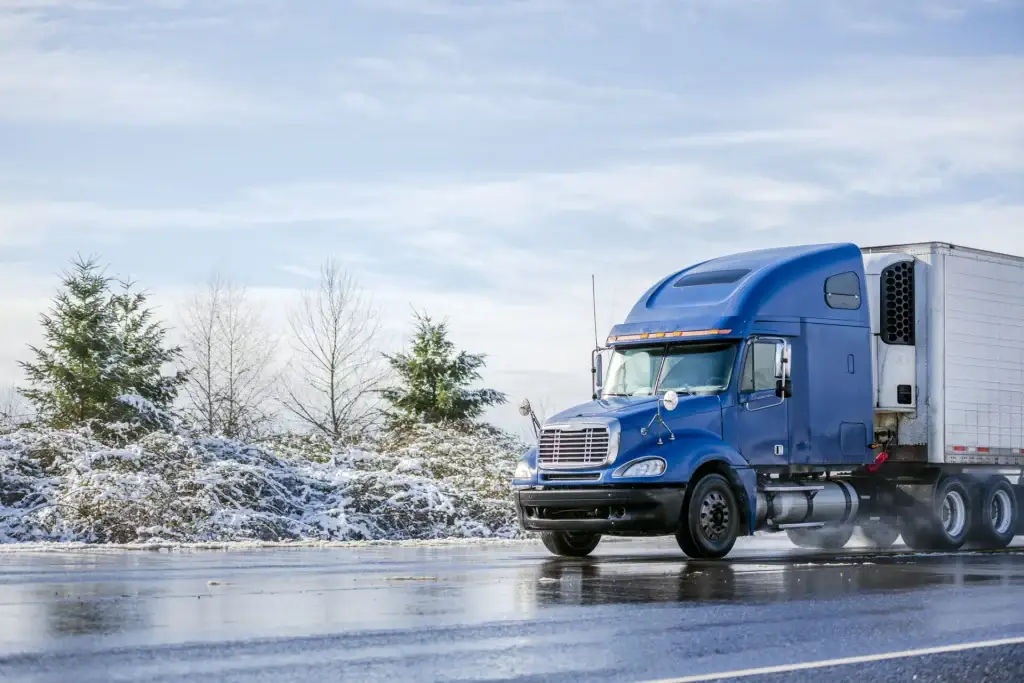
The truck that handled your relocation flawlessly in September is the same truck navigating black ice in January, and that difference changes everything. Winter does not just slow commercial transportation down. It rewrites the rules. Wet decks turn a routine load into a slip hazard, road salt creeps into sensitive equipment, and a closed interstate can erase a delivery window you spent weeks coordinating. The companies that move freight safely through January and February are not lucky. They plan for cold weather the way pilots plan for turbulence: assuming it will happen and building margin in advance.
If you are scheduling a commercial move, a warehouse transfer, or a recurring delivery route during the cold months, the questions worth asking are not about speed. They are about what your logistics partner does when conditions turn against the schedule.
Why Winter Freight Fails More Often Than Summer Freight
Most winter transportation problems trace back to a handful of predictable causes. Understanding them tells you what to look for when you vet a mover.
- Reduced traction and longer stopping distances. A loaded tractor-trailer needs far more room to stop on a slick road, and that physics does not care about your deadline.
- Temperature-sensitive cargo. Electronics, fluids, adhesives, and certain medical or lab equipment can be damaged by a few hours in a freezing trailer.
- Daylight and visibility loss. Crews load and unload in the dark on both ends of a short winter day, which raises the odds of a misstep or a missed detail.
- Sudden road closures. A single jackknifed truck can shut a highway for hours, stranding any route that did not have a backup.
- Salt and slush intrusion. Corrosive road treatment works its way onto loading surfaces, packaging, and machinery if nobody is paying attention.
None of these are exotic. They are routine. That is exactly why a good operator treats them as part of the standard plan rather than a surprise.
The Four Practices That Keep Winter Moves On Track
1. Drivers Trained Specifically for Cold-Weather Loads
A skilled summer driver is not automatically a skilled winter driver. Heavy commercial loads behave differently on ice: weight distribution affects how a trailer slides, and a sudden brake or steering correction can put a fully loaded rig out of control. Our crews have been hauling commercial freight since 1997, and our in-house drivers understand how a load shifts on a downgrade, how to read a road surface that looks dry but is not, and when to slow down even if it costs an hour. We would rather deliver your equipment intact and a little late than damaged and on time.
2. Alternate Routes Mapped Before Departure
The fastest route in clear weather is often the worst route in a storm. Primary highways take the heaviest traffic, which means they are where pileups close lanes and where you sit motionless behind a wall of stopped trucks. Before a winter run, we identify secondary routes that keep the load moving when a main artery shuts down. That preparation is invisible when everything goes smoothly, and it is the only thing that matters when it does not.
3. Equipment Inspected on a Real Schedule
Cold weather punishes any weakness in a vehicle. Batteries lose cranking power, tire pressure drops, brake lines and air systems get tested harder, and worn wipers fail at the worst moment. We run standardized inspection checklists on our fleet year-round, not just before a big haul, so a problem gets caught in the yard instead of on a frozen shoulder at midnight. A well-maintained truck is the cheapest insurance in winter logistics.
4. Communication That Reaches You Before You Have to Ask
The worst part of a weather delay is usually not the delay itself. It is finding out about it too late to adjust. When a route changes or a storm pushes a delivery window, you should hear it from your logistics partner promptly, with a clear new estimate, not discover it when a truck fails to show. We keep clients updated on route adjustments, weather holds, and revised timing so your team can plan around reality instead of guessing.
What Businesses Should Do on Their End
A safe winter move is a partnership. A few steps on your side make the whole operation smoother and protect your goods.
- Flag temperature-sensitive items up front. If something cannot tolerate a cold trailer, say so during planning so it can be staged, insulated, or scheduled differently.
- Clear and treat your loading areas. Salted, shoveled dock approaches and walkways cut the biggest cause of on-site winter injuries.
- Build a buffer into your timeline. Asking for a single rigid delivery hour during a snow week invites pressure that works against safety. A realistic window protects everyone.
- Keep a decision-maker reachable. If a route changes or a hold is needed, a quick approval keeps your freight moving instead of sitting.
Safe and Boring Is the Goal
In logistics, the best move is the one nobody remembers. No damaged equipment, no stranded truck, no frantic phone calls. Reaching that outcome in winter takes deliberate work that happens long before the first box is loaded: trained drivers, mapped detours, inspected vehicles, and honest updates. With more than 500,000 square feet of warehousing and crews available around the clock, we can stage, hold, and reroute commercial freight when the weather forces a change, so a storm becomes an adjustment instead of a crisis.
Winter weather is not a reason to postpone a commercial relocation or pause your supply chain. It is a reason to work with a team that planned for it. Explore our logistics and delivery services to see how we keep freight moving in any season, or request a free project review and we will map out a safe winter plan for your move. Call us anytime at (866) 528-9137.
Keep Reading
March 13, 2025
The Hidden Benefits of White Glove Logistics (Beyond the Truck Showing Up)
White glove logistics does more than deliver freight. Here's how specialized handling cuts damage claims, shortens installs, and protects your project timeline.
Read more →
February 13, 2025
How Organized Warehousing Quietly Drives Business Efficiency
Disorganized storage drains money and momentum. Here is how organized, off-site warehousing recovers space, cuts costs, and sharpens daily operations for your business.
Read more →
February 15, 2024
Commercial White Glove Delivery: What Business Owners Should Know Before Booking
White glove delivery promises more than transport, but the term gets used loosely. Here is what it should actually include for a commercial move.
Read more →Trusted by industry leaders
Enterprises that count on Flood Brothers
Your team demonstrated a level of urgency and attention to facility protection that I had not seen before.
We highly recommend Flood Brothers without reservation. They were on time, professional, and customer service-oriented.
We are very fortunate to have Flood Brothers as one of our partners, as they are willing to do whatever it takes to provide quality service.
Let's Plan Your Move
Your Move Deserves More Than a Guess
Book a free project review. We walk the site, scope the work, and return a plan you can hold us to.