
The Warehouse Relocation Checklist: Move a Distribution Center Without Missing a Shipment
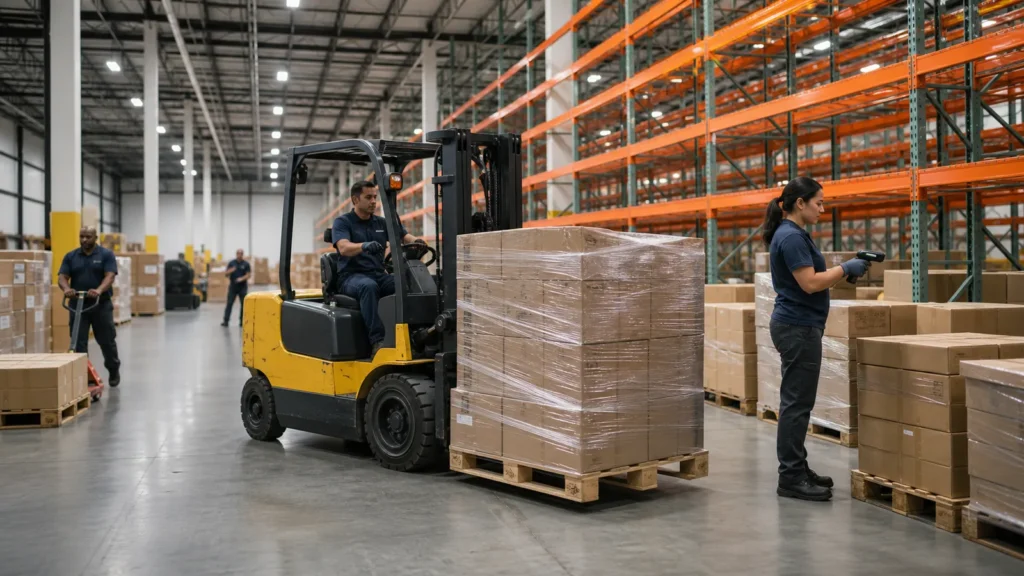
A warehouse move is judged by a single metric: did orders keep shipping? Everything in the plan serves that answer. The good news is that warehouses, unlike offices, can usually move in phases, and a phased move done right means your customers never learn it happened.
Phase zero: shrink the problem
Every pallet you do not move is money. Before planning transport, run the inventory hard: liquidate dead stock, return vendor-owned goods, cycle-count so the system matches the shelves, and let slow movers sell down instead of migrating them. Companies routinely cut 10 to 20 percent of their move volume this way, which shortens the timeline and the invoice in equal measure.
The racking decision
Decide early whether your racking moves with you or gets replaced. Tearing down, transporting, and re-erecting pallet rack is entirely doable, but it must be re-anchored and often re-permitted at the destination, and municipalities differ on seismic and inspection requirements. Get the destination’s racking permit process started six to eight weeks out. If the new building comes with rack, verify beam capacities against your pallet weights instead of assuming. Our warehouse relocation crews handle teardown and re-erection as part of the move scope, which keeps one contractor accountable for the schedule.
Equipment, systems, and the unsexy details
- Forklifts and material handling: transport them professionally; a forklift on a rented trailer with the wrong tie-downs is an insurance story waiting to happen. Charging infrastructure must be live at the destination on day one.
- WMS and connectivity: your warehouse management system needs the new facility’s layout, bin locations, and dock doors configured before the first pallet arrives, and the internet circuit ordered eight weeks ahead.
- Compliance transfers: business licenses, fire inspections, food-grade or hazmat certifications tied to the old address do not follow you automatically.
- Carrier notifications: update ship-from addresses with parcel and LTL carriers, and confirm dock appointments transfer, or inbound freight will keep arriving at the old building for weeks.
The phased cutover that protects shipping
The proven pattern: move reserve stock first, keep pick faces shipping from the old building, then flip fulfillment to the new site over one weekend once its racking, WMS, and staff are verified, and finally sweep the remaining stock across. Fast movers and current orders ride the last trucks. This sequence keeps a shippable inventory position live at all times, and it is why a phased warehouse move can span three weeks while missing zero ship days.
Who runs the physical move matters
Warehouse moves combine freight volume with equipment handling and racking work, which is a different crew profile than office moving. Flood Brothers has relocated distribution centers and warehouses since 1997 with in-house crews and the rigging capability that industrial contents demand, coordinated by a project manager who builds the phase plan with your operations lead. If a warehouse move is coming, talk to a commercial specialist before you set the date; the sequencing conversation is worth more early.
Moving a warehouse in Georgia or Middle Tennessee? Our Atlanta warehouse movers and Nashville warehouse movers plan every distribution center move around the same priorities: racking, inventory control, and keeping orders shipping.
Keep Reading

November 4, 2026
Moving a CNC Machine Out of an Atlanta Plant, Step by Step
A CNC machine is heavy, top-heavy, and built to hold tolerances. How one gets out of an Atlanta plant and running again somewhere else,…
Read more →
November 4, 2026
Delivering Into Nashville’s New Towers Without Scratching a Thing
Brand-new buildings are the easiest to damage. What to plan before a delivery into one of Nashville's newer towers so the finishes look the…
Read more →
November 4, 2026
Getting Deliveries Into Atlanta High-Rises: Docks, Elevators and COIs
A delivery into an Atlanta tower can fail before the truck leaves the warehouse. The dock, elevator, and COI rules that decide whether your…
Read more →Trusted by industry leaders
Enterprises that count on Flood Brothers
Your team demonstrated a level of urgency and attention to facility protection that I had not seen before.
We highly recommend Flood Brothers without reservation. They were on time, professional, and customer service-oriented.
We are very fortunate to have Flood Brothers as one of our partners, as they are willing to do whatever it takes to provide quality service.
Let's Plan Your Move
Ready to Move Without the Downtime?
Tell us about your project and timeline. We will build a plan around your business and send clear pricing, usually within one business day.